Home › Persimmon Soap › Persimmon soap not working
Persimmon SoapPersimmon Soap Not Working? 7 Reasons Why (and What to Try Next)
The "persimmon soap fail" threads come up again and again. Read enough of them and the same handful of causes keeps appearing. Most are fixable.

Disclosure: The Soap Digest is owned by the same company that makes TanniBar. We rank it first and we earn money when you buy it. Every other brand here is linked without payment, and we try to describe each one fairly. Check the facts for yourself. How we handle this.
In this guide
- 1. The odor isn’t nonenal
- 2. You’re washing the wrong places
- 3. It’s rinsed off too fast
- 4. You haven’t given it long enough
- 5. The smell is living in your fabrics
- 6. The bar isn’t really a tannin soap
- 7. A scent is masking, or clashing with, what’s left
- Still smelling it? Alternatives users report
- The bottom line
You read the glowing posts, ordered the soap, used it for a week and… you can still smell it. Or your partner can. You’re not the only one. “Persimmon soap fail” is a recurring post title in menopause and over-60 communities.
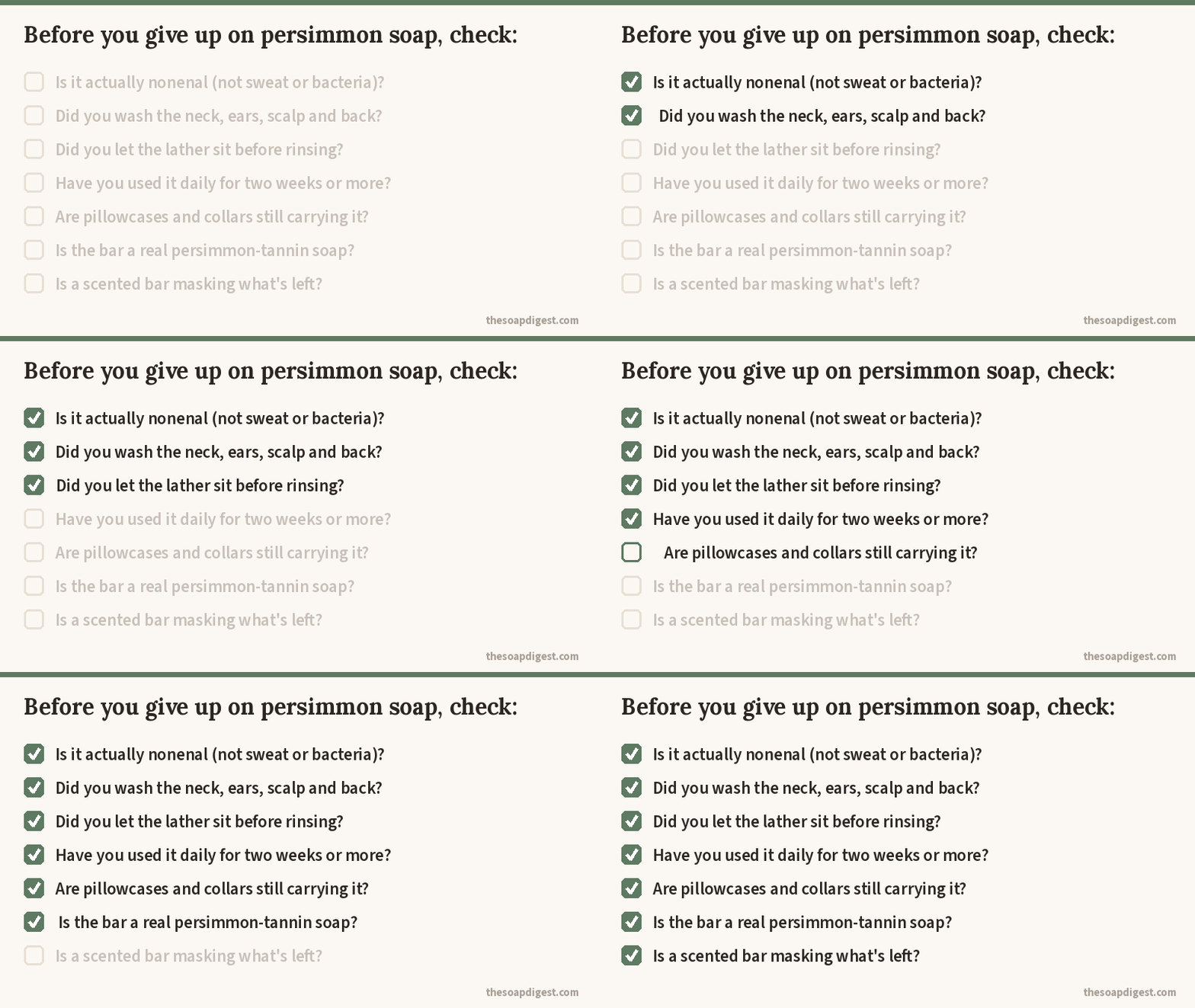
We read through those threads and the replies. The same seven explanations kept coming up. Work through them in order before you decide persimmon soap isn’t for you.
1. The odor isn’t nonenal
This is the big one. Persimmon soap targets a specific smell: the greasy, grassy, “dusty closet” odor linked to 2-nonenal, which researchers have found in people aged 40 and older. It is not designed for:
- Sweat-driven armpit odor, which is sharp, sour or oniony and comes from bacteria breaking down sweat.
- Teenage or hormonal body odor. In one thread, a parent asked whether it would help their stinky 23-year-old. Commenters pointed out that persimmon soap targets nonenal, which that kind of odor usually isn’t.
- Groin or skin-fold odor, which often has a bacterial or fungal component.
“I think it only works for a very specific odor – old people smell.”
Try next: Where is the smell strongest? If it’s the neck, scalp, pillow and collars, nonenal is a good guess. If it’s mostly the armpits, see #7 and the alternatives below. Not sure you even have it? Read how to check without asking anyone.
2. You’re washing the wrong places
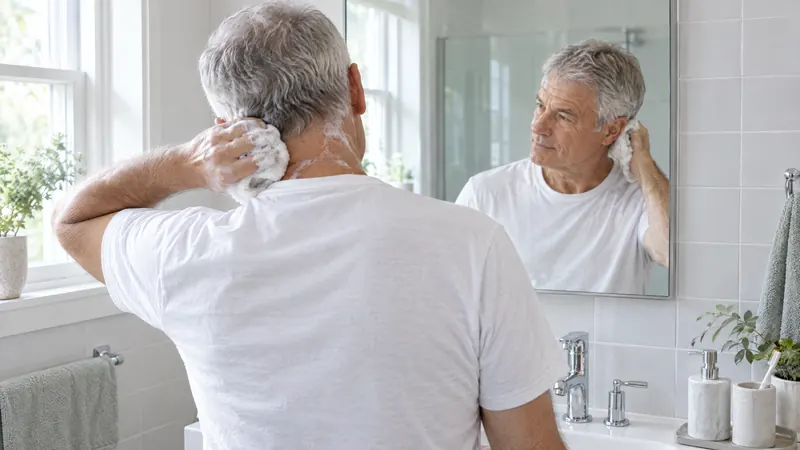
Most of us lather up our armpits and call it done. Nonenal forms in sebum, the skin’s oil. It concentrates where oil glands are dense: the nape of the neck, behind the ears, the scalp and hairline, the upper back and chest. A 2016 study measuring skin emissions chose the nape of the neck as its sampling site for exactly that reason.
Try next: Make those areas the focus. If your hair is short or thinning, wash your scalp with the bar as well. Our how-to guide has a diagram.
3. It’s rinsed off too fast
A quick swipe and rinse gives the tannin very little contact time. Letting the lather sit for a moment is one of the most common tips in user threads.
Try next: Lather the target areas first, finish the rest of your shower, then rinse.
4. You haven’t given it long enough
Some users notice a change after one shower. Others describe a gradual improvement over a week or two. If you judge on day three, you may be judging too early.
Try next: Use it daily for at least two weeks before deciding.

5. The smell is living in your fabrics
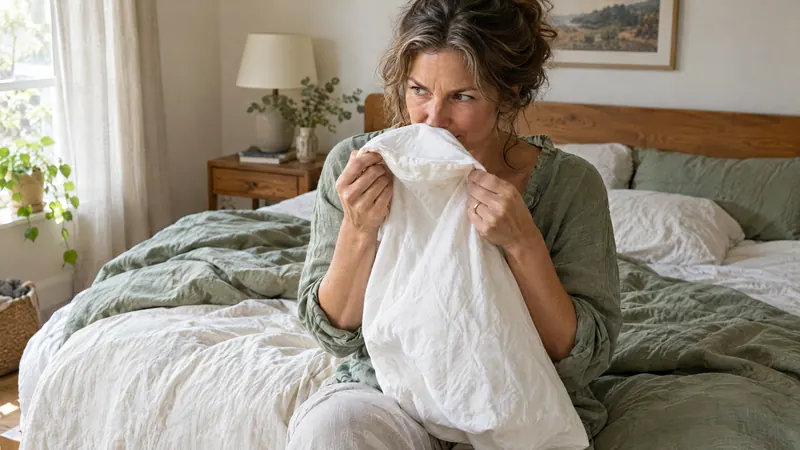
This catches almost everyone. Nonenal transfers to pillowcases, shirt collars, cardigans, sofa cushions and car seats. Your skin can be clean while your pillow still smells, and you’ll blame the soap.
Try next: On day one of your trial, wash all bedding, put on fresh pillowcases and wash the shirts and knits you wear most. Some readers add an enzyme laundry booster or an oxygen bleach suitable for the fabric. Change pillowcases every few days during the trial.
6. The bar isn’t really a tannin soap
Search results are crowded with “persimmon” bars, and not all of them list persimmon tannin (look for kakishibu or Diospyros kaki). One product we reviewed had a description that was plainly copied from a different soap. Counterfeits of well-known brands also circulate on big marketplaces.
Try next: Read the ingredient list before you buy, and buy from the brand or a reputable importer. Our comparison of five bars lists the key ingredients of each.
7. A scent is masking, or clashing with, what’s left
Many persimmon soaps are scented, with citrus, lemongrass, lavender or mint. Perfume doesn’t remove an odor. It adds a second smell on top. Some users find the soap’s own fragrance unpleasant, and one r/bodyodor commenter said their bar had the same sweet, putrid note they were trying to get rid of.
Try next: Switch to an unscented or fragrance-free bar so you can judge what’s actually happening.
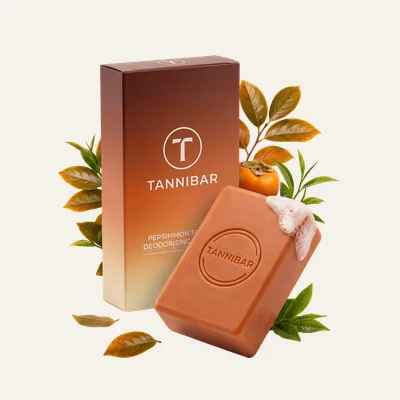
TanniBar Persimmon Tannin Bar
Our fragrance-free bar skips perfume and essential oils entirely, so there's nothing to mask what's left. Try it for 30 days; refunds don't require sending it back.
Check price →We own TanniBar and earn from sales. 30-day refund, no return needed.Still smelling it? Alternatives users report
If you’ve worked through all seven and nothing has changed, people in r/Menopause and r/Perimenopause most often mention:
- Glycolic acid toner (for example The Ordinary’s 7% toner) swiped on dry underarms after showering, then deodorant once it dries. It lowers skin pH, which discourages odor-causing bacteria. Don’t use it on broken skin or genitals.
- Mandelic acid washes, the active in some “whole-body” deodorant brands.
- Benzoyl peroxide or chlorhexidine washes for bacteria-driven odor. They can bleach fabric or irritate skin, so follow the label.
- Hormone therapy. Some perimenopausal users say their odor changed once they started HRT. That’s a conversation for your doctor.
When to see a doctor: a sudden or strong change in body odor, a sweet, fruity, fishy, ammonia or bleach-like smell, or odor with other symptoms (fatigue, thirst, weight change, skin changes) can signal a medical issue, including diabetes, kidney or liver problems, infection or medication effects. Get it checked.
The bottom line
When persimmon soap “doesn’t work,” the most common reason is that the odor isn’t nonenal. The next most common are washing the wrong spots and leaving the smell in the laundry. Fix those three, give it two weeks with an unscented bar, and you’ll know whether it’s right for you.
Frequently asked questions
How long should I try persimmon soap before giving up?
Give it about two to three weeks of daily use on the right areas, and wash your bedding and collars during that time. If nothing has changed after that, the odor probably has a different cause.
What can I use instead of persimmon soap?
It depends on the odor. Users with underarm or skin-fold odor often report success with glycolic or mandelic acid products, a benzoyl peroxide or chlorhexidine wash (used carefully, and not near mucous membranes), or simply a gentler, unscented soap plus a better laundry routine. A persistent or sudden odor change is worth raising with a doctor.
Can persimmon soap make you smell worse?
Some users dislike the soap's own scent, and scented bars can mix unpleasantly with existing odor. A few people also report irritation. If your skin is inflamed, bacteria can thrive and odor can worsen, so stop using anything that stings.
Sources
- r/Perimenopause: "Day stank update: Persimmons soap fail"
- r/AskWomenOver60: "Persimmon soap fail?"
- r/bodyodor: "Has anyone tried persimmon soap?"
- r/Menopause: "Persimmon soap alternative"
- r/Menopause: "Persimmon soap hype"
- Haze S. et al. (2001). 2-Nonenal newly found in human body odor tends to increase with aging. J Invest Dermatol.
- Kimura K. et al. (2016). Measurement of 2-nonenal and diacetyl emanating from human skin surface. J Chromatogr B.